
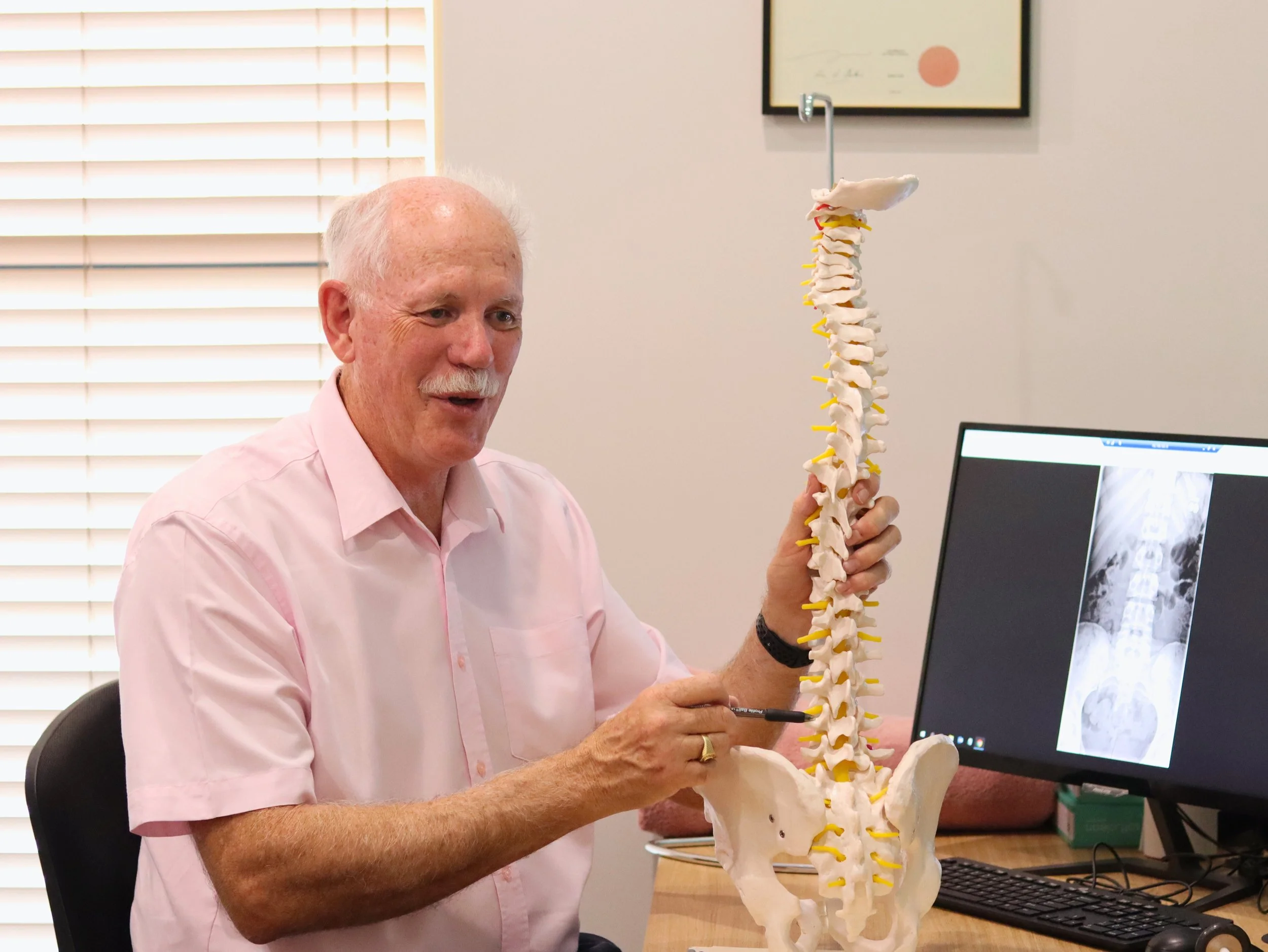
Chiropractic education in Australia has come a long way. Years ago, many aspiring chiropractors had to travel overseas, particularly to the US, to complete their studies. Today, Australia offers well-established, university-based programs that provide a high standard of education, combining science, clinical training, and hands-on experience to prepare practitioners for real-world care.
Becoming a chiropractor typically involves a five-year university pathway. It begins with a three-year undergraduate Bachelor’s degree, where students focus on the medical sciences. Subjects such as anatomy, physiology, pathology, and biomechanics form the foundation for understanding how the body works and what happens when things go wrong. This stage is essential, as it builds the knowledge needed to assess and care for patients safely.
This is followed by a two-year Master’s program, where learning becomes more clinical and applied. Students are trained in the diagnosis of human conditions, with a strong focus on musculoskeletal issues, along with radiology and chiropractic-specific assessment and management techniques. It is during this phase that students begin to think and work more like practitioners, learning how to interpret findings and develop individualised care plans.
A defining part of chiropractic education is hands-on experience. Throughout the course, students complete many hours of clinical observation. In the final 18 months, they move into supervised clinical placements within university chiropractic clinics. Here, they work directly with patients under guidance, gradually building confidence, communication skills, and clinical judgement. This practical experience ensures graduates are not only knowledgeable but also ready to care for people from day one.
Chiropractors in Australia are recognised as primary contact practitioners, meaning you can see them without a referral. Their training allows them to assess your condition, make a diagnosis, and determine whether chiropractic care is appropriate. If another form of care is needed, they are also trained to refer you to the right health professional. This ensures patients receive the most suitable and well-rounded care.
Chiropractors are also government-registered health professionals, held to strict standards of education, safety, and ethics. The title “Dr” reflects the depth of their training and their role within the broader healthcare system.
Across Australia, chiropractic programs are offered in states including NSW, QLD, VIC, SA, and WA. After graduation, many chiropractors step into private practice as associates, while others go on to open their own clinics. In Dr Adam Carter’s case, the goal was to return to Dubbo and support his community through quality care.
Importantly, learning does not stop at graduation. Chiropractic is a profession that values ongoing development. Many practitioners continue their education in areas such as paediatrics, sports chiropractic, or neurology, allowing them to better support a wide range of patients.
In practice, chiropractors commonly care for musculoskeletal conditions such as back and neck pain, headaches, sciatica, brachial neuralgia, disc injuries, and scoliosis. At the same time, chiropractic is guided by a broader understanding that the nervous system plays a key role in how the body functions. When movement and alignment are improved, it can support overall health and well-being.
At Carter Chiropractic, Dr Adam Carter brings this depth of education into everyday care. With almost four decades of experience and a genuine commitment to his patients, he focuses on practical, personalised care that fits into everyday life.
What It Really Takes to Become a Chiropractor
Previous
Previous
Practical Movement-Based Care: Graston and DNS with Dr Dominic
Next
Next