
Keep Doing the Things You Love, at Every Age
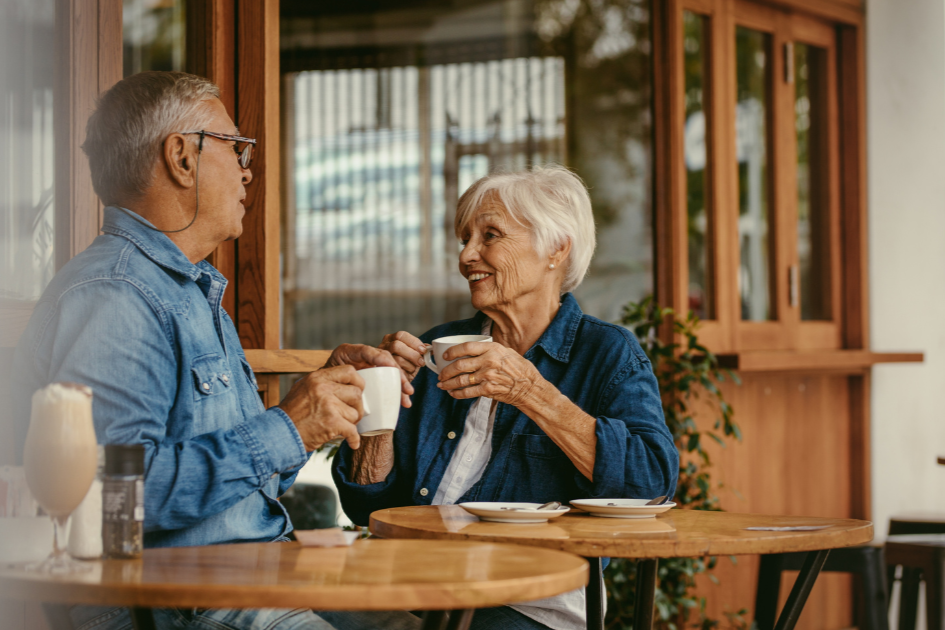
Every Tuesday morning, Helen met the same three friends for coffee.
It wasn't anything special. They always chose the table by the window, ordered the same drinks and somehow ended up talking for hours. It had become one of the highlights of her week.
Then, little by little, things began to change.
Standing up from her favourite armchair took a little longer than it used to. Her neck felt stiff after driving, and reversing into a parking space became awkward. Carrying the shopping bags suddenly seemed heavier, and kneeling in the garden wasn't as enjoyable as it once had been.
None of it happened overnight. There wasn't a single injury or one particular day she could point to. It was simply a series of small decisions.
"Maybe next week."
"I'll stay home today."
Before long, coffee with friends became less frequent. The morning walks she once enjoyed became shorter, and the weeds in the garden stayed where they were.
Like many older Australians, Helen assumed it was simply part of getting older.
The truth is, our bodies naturally change as we age. Joints may become stiffer, muscles can lose strength, and years of everyday wear and tear may affect the way we move. Sometimes we begin to change the way we sit, stand or walk without even noticing, placing extra strain on other areas of the body.
Growing older doesn't have to mean giving up the activities that bring us joy. Staying active and maintaining strength, balance, flexibility and mobility all play an important role in supporting an independent lifestyle.
Perhaps it wasn't ageing that Helen missed most. It was the confidence to keep doing the things she loved.
This is where chiropractic care may play a role for some people.
Rather than focusing only on where something hurts, chiropractors assess how the whole body is moving. This may include looking at posture, joint mobility, balance and walking patterns before recommending an individualised management plan.
Care may include gentle techniques, movement advice and exercises tailored to each individual's age, health, comfort level and goals. For older patients, the focus is on gentle techniques that help support comfortable movement, so they can continue enjoying the everyday activities that matter most.
Every person's goals are different. For one person, it might be feeling more comfortable while playing with grandchildren. For another, it could be enjoying a morning walk, tending the garden or getting up from a chair with greater ease. For someone else, it may simply be catching up with friends every Tuesday without wondering whether the trip is worth the effort.
Growing older may change the way we move, but it doesn't have to define the way we live. Looking after your spine, joints and overall movement is one way to help support an active, confident and independent lifestyle at every stage of life.
Perhaps the most important part of healthy ageing isn't simply adding more years to life. It's having the strength, confidence and freedom to keep enjoying the life you've built.