
Is This Sciatica? What’s Really Behind That Pain Down Your Leg?
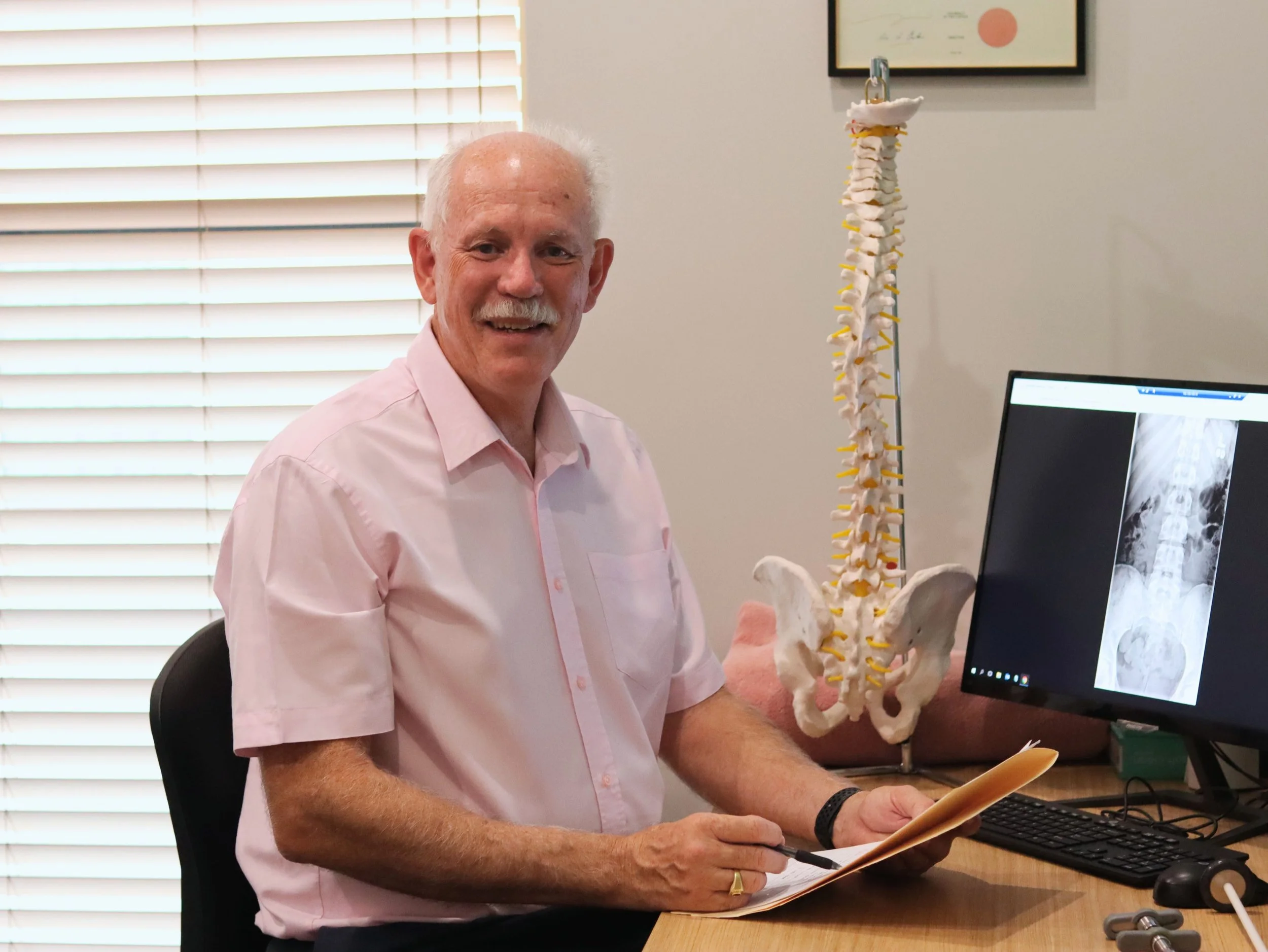
“Is this sciatica?”
Maybe it started as an ache in your lower back or buttock. Then you noticed the pain travelling down the back of your thigh. A few days later, there was a strange tingling feeling in your calf or foot.
When pain starts to travel, it’s natural to wonder what’s going on.
We sat down with Dr Adam Carter to answer some common questions about sciatica, what may be behind the symptoms and where chiropractic care may fit into the picture.
Q: First things first, what exactly is sciatica?
Dr Adam: One of the most important things to understand is that sciatica isn’t actually a condition in itself. It describes a pattern of symptoms, generally associated with irritation or inflammation affecting the sciatic nerve or one of the spinal nerve roots that make up the sciatic nerve.
A typical story is pain that travels through the buttock and down the back of the thigh. For some people, it can continue into the calf or all the way to the foot.
But pain is only part of the picture.
Q: So, is it always pain?
Dr Adam: No. Pain might be what gets your attention first, but it isn’t necessarily the whole story.
Some people also experience pins and needles or numbness in parts of the leg or foot. In more significant cases, there may be muscle weakness, including a problem known as foot drop, where lifting the front part of the foot becomes difficult.
That’s why we don’t want to look only at the spot that hurts. The pattern of symptoms can tell us more of the story.
Q: What actually causes sciatica?
Dr Adam: This is where a bit of detective work comes in, because there isn’t one single cause.
Sciatic symptoms may be associated with disc protrusions, arthritis and other changes affecting the lower spine. Muscle spasm, poor ergonomics and problems with how the spine is functioning may also be relevant when looking at someone’s overall musculoskeletal presentation.
Occasionally, there can be a much more serious underlying cause, such as a spinal infection or cancer.
Think of sciatica as a warning light on the dashboard. Knowing the light is on is useful, but the more important question is: what made it come on?
And that brings us to the question we hear a lot.
Q: Can chiropractic help with sciatica?
Dr Adam: The answer depends on what is causing the symptoms.
We start with the story.
Where did the pain begin? How far down the leg does it travel? Is there tingling or numbness? Has the leg become weaker? What makes the symptoms better or worse?
An assessment helps build a clearer picture of what may be contributing to the symptoms. If the presentation appears musculoskeletal and chiropractic care is appropriate, management may include chiropractic adjustments or other manual techniques, exercises and advice about movement and activity.
Sometimes, though, the story points in a different direction. Further investigation may be needed, or referral to a GP or another healthcare professional may be the more appropriate next step.
That’s because there isn’t one treatment for everyone with sciatica.
Depending on the cause and severity, management may range from rest and exercises to chiropractic care, massage, anti-inflammatory medication or other medical treatment. In severe cases, surgery may be required.
The important thing is not simply to treat the word “sciatica”, but to understand what may be behind the symptoms.
The bottom line
Sciatica tells us what you may be experiencing, but not necessarily why you’re experiencing it.
So, if pain starts travelling down your leg, the place where it hurts is only one part of the story.
Sometimes the most useful question isn’t simply, “Is this sciatica?” It’s “Why is this happening?”
If you’re experiencing pain, tingling or numbness travelling down your leg, consider speaking with a qualified healthcare professional. A conversation and assessment with a chiropractor can be a good place to start, helping determine whether chiropractic care may be appropriate for you or whether further investigation or referral to another healthcare professional is needed.